
 Davaowin
 guides
 Slot Game
 Contact
 Real Money Online Casinos
 Promotion
Who Discovered Davao? Unveiling the History and Its Recent Davao Win
Historical Background of Davao
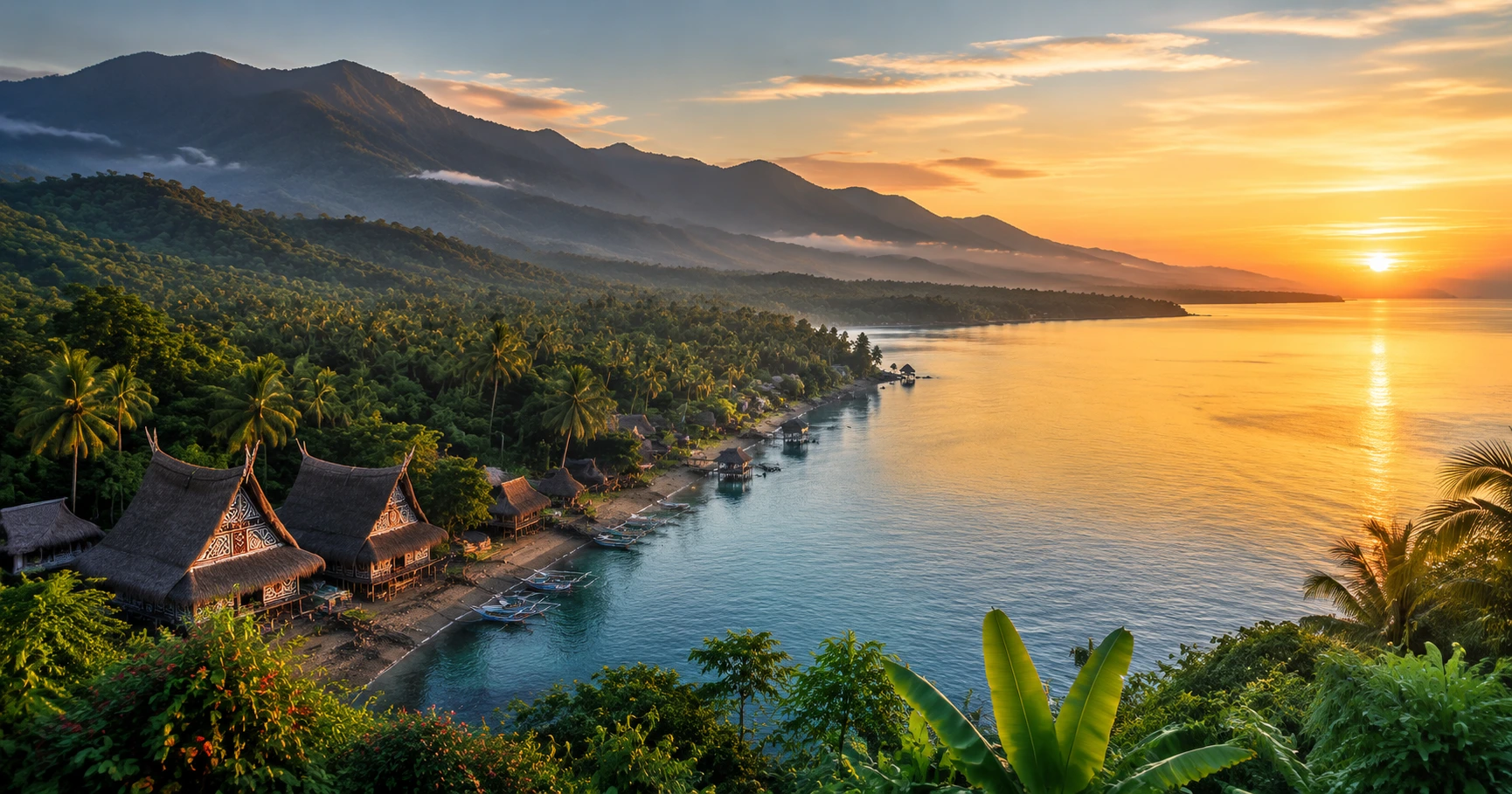
The question who discovered Davao has intrigued many history enthusiasts and Filipino locals alike. Historically, Davao was inhabited by indigenous tribes long before the arrival of explorers. It was officially documented by Spanish explorers in the 16th century, with the first recorded European contact being attributed to the expedition led by Antonio de Morga in 1607. However, the indigenous tribes such as the Bagobo, Mandaya, and Kaagan played a significant role in shaping the region’s rich cultural identity. The discovery of Davao marked a turning point in understanding the Philippines’ southern territories, which later became a vital hub for trade and tourism.
Understanding who discovered Davao is essential to grasp the complex interactions between indigenous communities and European colonizers. While Antonio de Morga is often credited for the first documented European contact, it is important to recognize that the native peoples had a thriving society with their own governance, culture, and trade networks long before these explorers arrived. The region’s strategic location made it a focal point for commerce and cultural exchange in Mindanao.
Many believe the history of Davao begins with Davaowin, but its true discovery is a fascinating story worth exploring.
Many historians explore jl77 to understand the origins of Davao and its rich history.
Key Figures in the Discovery of Davao
| Explorer | Year | Contribution |
|---|---|---|
| Antonio de Morga | 1607 | First documented European contact |
| Miguel Lopez de Legazpi | 1565 | Founded Manila, influenced exploration |
| Ruy López de Villalobos | 1542 | Early exploration of Mindanao |
| William Morgan | 19th Century | Documented Indigenous tribes and local geography |
| Local Indigenous Leaders | Pre-1600s | Maintained cultural heritage amid external influences |
Native Tribes and Cultures
Before the question of who discovered Davao can be fully answered, it is crucial to acknowledge the native tribes who inhabited the region for centuries. The Bagobo, Mandaya, and Kaagan peoples, among others, have rich traditions and histories that predate European arrival. These indigenous communities managed the land, developed complex social systems, and engaged in trade with neighboring islands. Their cultural heritage continues to influence Davao’s identity today, making the city a unique blend of indigenous and colonial histories.
The preservation of native cultures has been a central focus in recent years, especially as Davao experiences rapid modernization. Efforts to celebrate and protect indigenous heritage contribute to the city’s vibrant cultural scene, which attracts tourists and scholars alike. This cultural renaissance is part of what makes Davao’s recent davao win in various fields, including tourism and local governance, particularly noteworthy.
Colonial Influence and Development
The colonial era greatly influenced Davao’s development and shaped the narrative of who discovered Davao. Spanish colonizers, followed by American administrators, introduced new governance systems, infrastructure, and economic activities. These changes transformed Davao from a predominantly indigenous settlement into a key urban center in Mindanao. The colonial period also brought challenges, including conflicts and cultural assimilation pressures, yet it laid the groundwork for Davao’s modern identity.
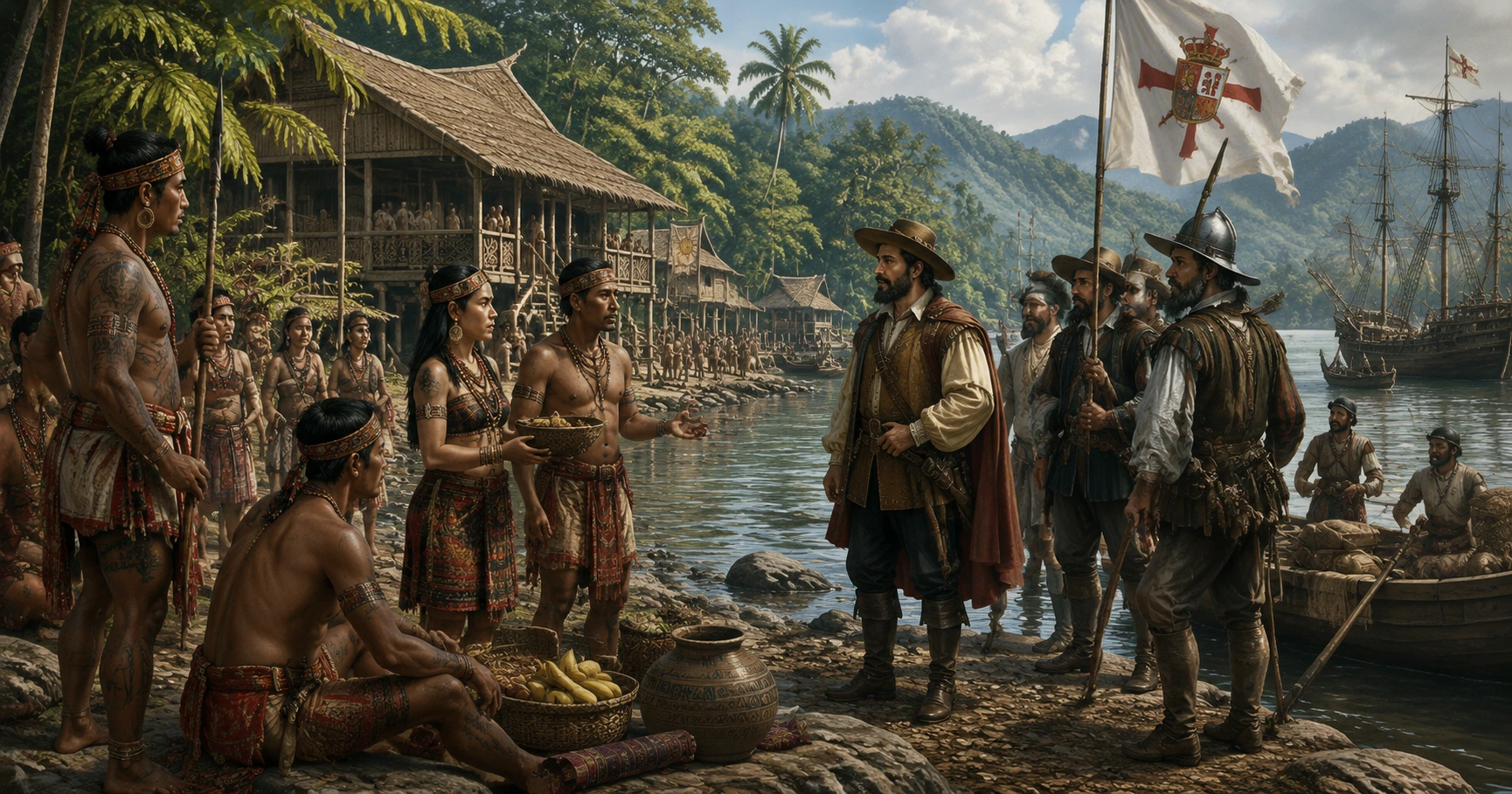
During this period, Davao became a crucial port and agricultural hub, especially known for its abaca and coconut plantations. The legacy of these economic activities continues to influence the city’s growth and contributes to its recent davao win in economic development and sustainability initiatives.
Modern Discoveries and Tourism
In contemporary times, the question of who discovered Davao extends beyond historical figures to include modern explorers, researchers, and tourists who continue to uncover the city’s hidden gems. Davao has gained international recognition for its natural attractions, such as Mount Apo, the Philippine Eagle Center, and pristine beaches. These modern discoveries have boosted tourism, contributing to the city’s recent davao win in becoming a top travel destination in the Philippines.
The city’s commitment to environmental conservation and cultural preservation has enhanced its appeal, making Davao a model for sustainable tourism. This balance between growth and preservation is a testament to the city’s dynamic history and ongoing evolution.
Significance of Davao Win in Sports and Tourism
Davao’s recent davao win in sports and tourism highlights its rising prominence on both national and international stages. Hosting major sporting events and cultural festivals has not only boosted local pride but also attracted visitors and investors. These successes are rooted in the city’s rich history and diverse population, which have created a vibrant community eager to showcase its talents and heritage.
The davao win in tourism is particularly significant, as it reflects the city’s ability to leverage its natural and cultural assets effectively. This achievement underscores the importance of understanding who discovered Davao and how its historical journey has shaped its present-day opportunities.
Impact on Local Culture
The davao win has also had a profound impact on local culture, fostering a renewed sense of identity and community pride. Festivals, arts, and culinary traditions have flourished as the city embraces its multicultural roots. This cultural vitality is a direct link to the question of who discovered Davao, as it honors the contributions of both indigenous peoples and historical explorers.
Economic Growth and Development
Economically, Davao’s recent davao win is evident in its expanding industries and improved infrastructure. The city has become a magnet for business and innovation, supported by government initiatives and private sector partnerships. Understanding the historical context of who discovered Davao helps appreciate the layered development that has brought the city to its current status as a thriving economic hub.
Looking forward, Davao’s strategic plans aim to sustain this momentum by investing in education, technology, and environmental stewardship. These efforts ensure that the legacy of discovery and growth will continue to benefit future generations.